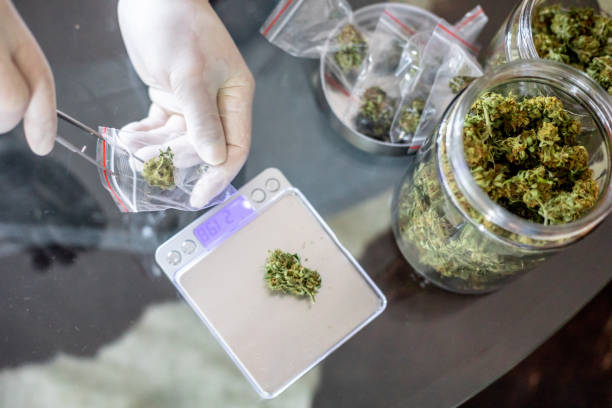
 When it comes to cannabis and CBD edibles and beverages, ensuring consumer safety is a top priority for dispensaries, manufacturers, and regulators. The growing popularity of these products has made it essential to implement stringent safety measures. Below are key strategies and considerations to ensure that these products are safe for consumption.
Adherence to Regulatory Standards
- Understanding Local Laws: Different regions have varying regulations regarding THC content, CBD levels, packaging requirements, and labeling standards. Staying updated on these laws is critical.
- Accurate Labeling: Labels must accurately state THC/CBD concentrations, ingredients, expiration dates, and usage instructions.
- Childproof Packaging: Edibles and beverages should be packaged in child-resistant containers to prevent accidental consumption.
Testing for Purity and Potency
- Potency Analysis: Verifies accurate levels of cannabinoids (e.g., THC, CBD) in each product.
- Contaminant Screening: Ensures products are free from harmful substances such as:
- Pesticides
- Heavy metals (e.g., lead, mercury)
- Microbial contaminants (e.g., mold, yeast)
- Residual solvents from extraction processes
- Homogeneity Testing: Guarantees even distribution of cannabinoids in edibles or beverages for consistent dosing.
| Test Type | Purpose | Example Contaminants Checked |
| Potency Testing | Confirms cannabinoid levels | THC/CBD |
| Pesticide Analysis | Identifies harmful agricultural agents | Myclobutanil |
| Heavy Metal Testing | Detects toxic metals | Lead, Arsenic |
| Microbial Testing | Screens for bacteria or mold | Salmonella |
Sourcing High-Quality Ingredients
- Use organic or pesticide-free cannabis plants whenever possible.
- Partner with reputable suppliers who can provide Certificates of Analysis (COAs) for their raw materials.
- Avoid artificial additives or fillers that could harm consumers or reduce product quality.
Proper Storage & Handling Practices
- Maintain strict hygiene standards in production facilities.
- Store ingredients at appropriate temperatures to prevent spoilage.
- Use food-grade equipment during manufacturing processes.
Consumer Education
- Provide clear dosage guidelines on packaging (e.g., “Start with a low dose”).
- Include warnings about potential side effects such as drowsiness or dizziness.
- Inform consumers about possible interactions with medications.
Continuous Monitoring & Feedback Collection
- Implement systems to monitor adverse event reports from customers.
- Conduct regular internal audits to identify areas needing improvement.
- Encourage customer feedback on product quality or experiences.
By adhering to these best practices—testing rigorously, sourcing responsibly, educating consumers, and maintaining compliance with regulations—dispensaries can uphold high standards while protecting public health.
Effective Strategies to Boost Profits at a Cannabis Dispensary in Dumbo, NY
In the competitive landscape of the cannabis industry, dispensaries like dumbodispensary.net are constantly seeking ways to optimize their operations and increase profitability. By implementing strategic practices, dispensaries can streamline processes, reduce costs, and create additional revenue opportunities. Below are some actionable shortcuts that dispensary owners and operators can explore to enhance their profit margins.
Optimize Inventory Management
- Leverage Data Analytics: Use point-of-sale (POS) systems and inventory software to track product trends, customer preferences, and sales patterns. This data will help you stock products that drive revenue while reducing slow-moving inventory.
- Adopt Just-in-Time (JIT) Inventory: Maintain lower inventory levels by ordering products as needed. This minimizes storage costs and reduces the risk of expired or unsold items.
- Categorize Inventory by Profitability: Focus on promoting high-margin products such as premium strains, edibles, or CBD-infused beverages. Offer bundled deals or discounts to move lower-margin products more quickly.
Enhance Customer Experience
- Staff Training: Invest in staff education so employees are knowledgeable about the products being sold. Well-informed budtenders can recommend appropriate items based on individual customer preferences.
- Personalized Promotions: Use loyalty programs or email marketing campaigns tailored to specific demographics or purchasing habits.
- Streamlined Checkout Process: Reduce wait times with efficient payment systems or mobile ordering options.
Diversify Revenue Streams
| Revenue Stream | Description | Benefits |
| Cannabis Education Workshops | Offer classes on safe consumption or cannabis use | Builds community trust & engagement |
| Exclusive Private Label Products | Develop unique branded strains or edibles | Differentiates your dispensary |
| Subscription Services | Monthly curated boxes of top-selling products | Ensures consistent recurring revenue |
Implement Cost-Saving Measures
Reducing operational expenses can significantly impact your bottom line without compromising quality or service.
- Energy Efficiency Upgrades: Switch lighting systems to LED grow lights for energy savings if you manage cultivation processes alongside retail operations.
- Negotiate Vendor Contracts: Work closely with suppliers for bulk purchasing discounts or long-term contracts that lock in favorable pricing.
- Automate Routine Tasks: Use technology solutions for scheduling employee shifts, managing payroll, and automating marketing efforts.
Leverage Technology for Marketing
- Social Media Engagement: Create engaging content on platforms like Instagram or Facebook (where permitted) showcasing new arrivals, promotions, or educational snippets about cannabis use.
- Geotargeted Ads: Reach local customers through location-based advertising campaigns tailored specifically for those within proximity of your dispensary.
- Online Reviews & Feedback Management: Actively monitor platforms like Google Reviews and Yelp. Responding promptly helps maintain a positive digital reputation.
Efficient practices coupled with innovative strategies allow dispensaries not only to sustain but thrive amidst growing competition. Taking small yet impactful steps across operations, marketing, customer engagement, and inventory control can lead to significant improvements in profitability over time.
How a Weed Dispensary Dumbo Can Build Trust in the Cannabis Market
As the cannabis industry grows, so does the need for companies to build and maintain consumer trust. Negative perceptions, product recalls, and regulatory scrutiny can erode confidence in dispensaries and cannabis brands. To foster trust, businesses must adopt transparent practices, prioritize quality, and address public concerns effectively.
Embrace Transparency
- Accurate Labeling: Ensure product labels include detailed information such as cannabinoid content (THC/CBD levels), terpene profiles, and serving size recommendations.
- Ingredient Disclosure: For edibles, beverages, or infused products, list all ingredients clearly to address dietary restrictions or allergen concerns.
- Cultivation Practices: Highlight whether your products are organic or grown without pesticides.
Additionally, consider offering consumers access to certificates of analysis (COAs) provided by third-party testing labs. These reports verify the safety and potency of products while demonstrating your commitment to quality.
Invest in Rigorous Quality Control Measures
Quality assurance plays a pivotal role in winning back consumer confidence. By prioritizing safety at every stage of production, companies can minimize risks associated with contaminated or substandard products.
- Verify purity levels of cannabis flower before processing.
- Test for contaminants like heavy metals, mold, or pesticides.
- Implement Good Manufacturing Practices (GMP) during production.
- Train staff on hygiene protocols to maintain cleanliness throughout facilities.
- Test each batch for potency consistency.
- Ensure products meet regulatory thresholds for THC/CBD content accuracy.
A commitment to these steps reduces chances of recalls while reinforcing a reputation for excellence.
Prioritize Customer Education
- Brochures outlining proper dosages based on experience level.
- FAQs addressing common questions about specific strains or consumption methods.
- In-store displays explaining lab test results in an easy-to-understand format.
Online education is equally important—maintain an updated blog covering topics like safe consumption practices or advancements within the cannabis market.
Leverage Social Responsibility Efforts
- Partner with local initiatives aimed at expunging past marijuana convictions.
- Offer employment opportunities specifically targeting marginalized communities affected by prohibition policies.
- Promote sustainability through eco-friendly packaging solutions or carbon-neutral operations.
Brands seen actively working toward greater equity within the sector inspire long-term loyalty among conscious buyers seeking meaningful engagement beyond sales transactions alone.
Build Stronger Relationships Through Feedback
| Method | Objective |
| Surveys | Collect feedback concerning consumer satisfaction levels |
| Social Media Polls | Gauge opinions surrounding new product launches |
| Loyalty Programs | Reward consistent customers while gathering insights based on purchasing trends |
Taking action based upon client input demonstrates both accountability & dedication toward meeting evolving preferences head-on responsibly rather than avoiding criticism outrightly .
Ensuring Quality in Products at Marijuana Dispensary Dumbo
Ensuring the quality of dispensary products is critical for maintaining consumer trust, meeting regulatory standards, and fostering long-term success in the cannabis industry. Testing plays a central role in verifying product safety, consistency, and efficacy. Here’s how dispensaries can prioritize testing to ensure their products meet the highest standards of quality.
The Importance of Rigorous Testing
- Consumer Safety: Testing identifies potential contaminants such as pesticides, heavy metals, mold, and microbes.
- Label Accuracy: Verifying cannabinoid and terpene profiles ensures consumers receive accurate information about potency and effects.
- Legal Compliance: Meeting state or regional regulations protects businesses from legal risks.
- Brand Reputation: Consistently delivering high-quality products fosters trust among customers.
Key Areas of Cannabis Product Testing
- Measures THC, CBD, and other cannabinoid concentrations.
- Helps provide accurate dosing information for consumers.
- Pesticides
- Heavy metals (like lead or arsenic)
- Residual solvents (used during extraction processes)
- Microbial contaminants (mold or bacteria)
- Identifies the presence of aromatic compounds that influence flavor and therapeutic effects.
- Prevents mold growth by ensuring proper curing practices.
- Confirms even distribution of cannabinoids throughout edible products for consistent dosing.
Establishing a Robust Testing Program
- Partner With Certified Labs
Collaborate with third-party labs accredited by organizations like ISO/IEC 17025 to maintain objectivity and reliability in test results. - Implement Batch Testing
Test every batch of product before it reaches your shelves to avoid contamination risks or labeling errors. - Maintain a Chain of Custody
Track every stage—cultivation, processing, packaging—to ensure transparency and accountability. - Train Staff on Quality Standards
Educate employees about interpreting lab reports and identifying potential red flags during product inspections.
Benefits for Dispensaries That Prioritize Testing
| Benefit | Description |
| Increased Consumer Trust | Customers are more likely to return when they know your products are safe. |
| Risk Mitigation | Reduces liability from selling potentially harmful or mislabeled items. |
| Competitive Advantage | High-quality offerings differentiate you from competitors in the market. |
| Regulatory Assurance | Minimizes legal issues related to non-compliance with local regulations. |
Transparency Through Lab Results
Dispensaries can further build customer confidence by making lab results easily accessible—either on product packaging via QR codes or directly on their website. This level of transparency not only reassures consumers but also demonstrates a commitment to accountability within the cannabis industry.
Testing is not optional; it’s an essential part of maintaining both operational integrity and customer satisfaction in an increasingly regulated market landscape. By implementing robust quality control measures focused on testing, dispensaries can safeguard their reputation while contributing positively to the evolving cannabis ecosystem.
Exploring Regulatory and Quality Issues in the Cannabis Industry at a Recreational Dispensary Dumbo, Brooklyn
The cannabis industry has experienced rapid growth over the last decade, but with this expansion comes an increased focus on regulatory compliance and quality assurance. Understanding the complex landscape of regulations and quality standards is critical for businesses to operate successfully while maintaining consumer trust. Below, we explore some of the key regulatory and quality challenges and offer insights into addressing them effectively.
Key Regulatory Challenges in the Cannabis Industry
- Inconsistent State Laws: Each state has its own rules regarding growing, processing, selling, and labeling cannabis products.
- Federal Illegality: Despite legalization in many states, cannabis remains classified as a Schedule I substance under federal law, complicating banking and interstate commerce.
- Evolving Regulations: As public attitudes shift, laws are constantly being updated to reflect new priorities or concerns.
- Testing Requirements: States typically have specific mandates for product testing to ensure safety—such as testing for potency levels, pesticides, heavy metals, or microbial contamination.
| Regulatory Challenge | Example Impact on Businesses |
| Inconsistent State Laws | Increased costs for compliance; challenges with multi-state operations |
| Federal Illegality | Limited access to banking services; barriers to research funding |
| Evolving Regulations | Frequent operational changes; need for ongoing staff training |
| Testing Requirements | High costs associated with laboratory testing |
Quality Control Issues That Affect Consumers and Businesses
- Lack of Standardized Testing Protocols
Testing methods vary between labs and jurisdictions. This inconsistency can lead to inaccurate potency labeling or undetected contaminants. - Pesticides
- Residual solvents
- Mold or mildew
- Heavy metals (e.g., lead or arsenic from soil)
- Mislabeling Concerns
Inaccurate THC/CBD content labeling is a widespread issue in the industry.
Strategies to Address These Challenges
- Invest in Comprehensive Training Programs: Educate employees on local/state regulations as well as best practices for cultivation, processing, and product handling.
- Partner With Certified Testing Labs: Work exclusively with laboratories that hold ISO 17025 accreditation to ensure accurate results.
- Implement Robust Quality Assurance Systems: Use internal audits alongside external lab results to verify consistency across batches.
- Focus on Transparency: Provide consumers with detailed product information through labels or accessible QR codes that link to lab results.
The Role of Technology in Navigating Compliance
- Seed-to-Sale Tracking Systems: These solutions allow companies to monitor every step of production—from cultivation through retail—to meet reporting requirements.
- Laboratory Information Management Systems (LIMS): LIMS software helps streamline testing workflows while improving data accuracy.
- Blockchain: Blockchain technology provides immutable records for tracking products through the supply chain.
By implementing these tools alongside robust policies focused on education and transparency, businesses can better navigate both existing challenges and new issues as they arise within this rapidly evolving industry.
Maintaining compliance while prioritizing quality will remain essential for fostering long-term growth in this competitive market space.
Innovative Strategies for Managing Supply Chains in the Cannabis Dispensary Industry
Managing supply chains in the cannabis dispensary industry is a complex yet essential task that ensures products reach consumers efficiently and safely. As the industry grows, businesses must adopt innovative strategies to maintain compliance, streamline operations, and address unique challenges such as regulatory oversight and product perishability. Below are key approaches to managing cannabis supply chains effectively.
Leverage Technology for Real-Time Tracking
- Blockchain: Allows for secure, immutable tracking of cannabis products from seed to sale. This builds trust with regulators and consumers.
- IoT Sensors: Monitor environmental factors like temperature and humidity during transportation, ensuring edibles, beverages, and flower remain fresh.
These tools provide crucial data that can help dispensaries identify bottlenecks or inefficiencies within their operations.
Build Strong Relationships with Vendors
- Establish contracts emphasizing shared compliance standards.
- Vet suppliers thoroughly to ensure they adhere to legal requirements.
- Develop long-term relationships to foster mutual trust and reliability.
Reliable vendor collaboration minimizes risks of delays or non-compliance issues that could harm your reputation.
Optimize Inventory Management
- Use inventory management software tailored for cannabis businesses.
- Implement first-in-first-out (FIFO) practices to ensure older stock is used or sold first.
A proactive inventory management system also reduces waste by addressing spoilage concerns.
| Inventory Issue | Potential Impact | Solution |
| Overstocking | Increased storage costs | Demand forecasting using past sales data |
| Understocking | Missed sales opportunities | Real-time inventory monitoring |
| Expired Products | Non-compliance fines | Automated expiration tracking |
Stay Ahead of Regulatory Changes
- Regularly consult with legal experts specializing in cannabis laws.
- Train employees on new compliance requirements as they arise.
- Conduct periodic audits of processes to ensure adherence.
By proactively addressing regulatory changes, dispensaries can minimize disruptions while avoiding costly penalties.
Diversify Logistics Solutions
- Partner with multiple delivery services to mitigate risks during high-demand periods.
- Explore local suppliers to shorten lead times.
- Invest in specialized transportation options (e.g., refrigerated trucks) for perishable items like beverages or edibles.
Diversification enhances flexibility while reducing dependency on a single point of failure within your supply chain.
Embrace Sustainable Practices
- Using eco-friendly packaging materials that comply with regulatory standards.
- Partnering with local suppliers to reduce carbon emissions from long-distance transport.
By adopting green initiatives, dispensaries not only appeal to eco-conscious customers but also contribute positively toward environmental goals.
Innovative supply chain management in the cannabis industry requires a combination of technology adoption, strategic partnerships, regulatory foresight, and sustainable practices. These efforts not only improve operational efficiency but also promote trust among regulators and customers alike.
- Ensuring Safe Consumption of Cannabis and CBD Edibles at a Dispensary Dumbo
- Essential Tips for Your First Visit to a Marijuana Dispensary Dumbo
- Stay Updated on Dispensary Dumbo News and Cannabis Policies
- Caroline Pharma Your Trusted Dispensary in Dumbo for High-Quality Cannabis Products
- Elevating Standards: Exploring the Cannabis Dispensary Dumbo, NY Experience
- 5 cannabis marketing trends redefining the cannabis dispensary Dumbo, NY industry
- A Beginner’s Guide to Ordering from a Cannabis Dispensary in Dumbo, NY
- Beginner’s Guide to Cannabis Dosage: Tips from a Cannabis Dispensary in Dumbo, NY
- The Ultimate Guide for First-Time Visitors to a Cannabis Dispensary in Dumbo, NY