

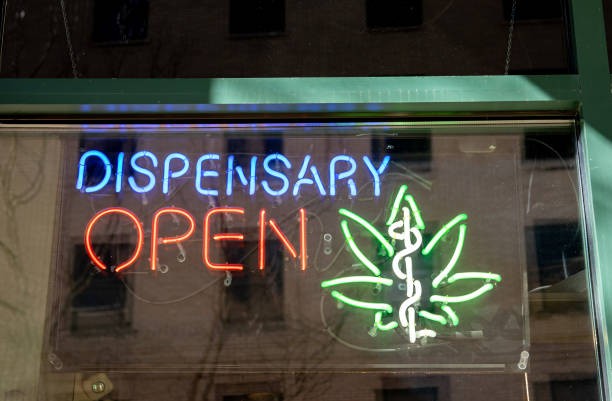
The cannabis dispensary industry is evolving rapidly, driven by shifting consumer demands, technological advancements, and changes in regulations. To stay competitive in this landscape, dispensaries need to adapt to emerging marketing trends. Below are five key cannabis marketing trends that are reshaping the industry.
1. Hyper-Personalized Marketing Through Data and AI
Dispensaries are increasingly leveraging artificial intelligence (AI) and robust data analytics to provide hyper-personalized customer experiences. Personalized product recommendations based on purchasing history, preferences, and demographic insights can significantly improve customer satisfaction.
- Customized email campaigns with product suggestions.
- Loyalty programs that reward specific behaviors or purchases.
- AI-powered chatbots offering tailored assistance on websites or apps.
This approach not only builds stronger connections with customers but also enhances retention rates over time.
2. Experiential Marketing Strategies
With the focus on creating memorable experiences for customers, experiential marketing has become a game-changer for dispensaries. By offering hands-on opportunities for consumers to engage with products and brands, businesses can foster stronger emotional connections.
- Hosting educational workshops and product demonstrations.
- Organizing pop-up events featuring local growers or artisans.
- Providing in-store lounges where customers can learn about cannabis strains in an interactive manner.
Such immersive experiences help dispensaries differentiate themselves from competitors while solidifying their brand image.
3. Prioritizing Sustainability and Transparency
Consumers today increasingly value environmentally conscious brands that demonstrate transparency. Dispensaries are responding by adopting sustainable practices across their supply chains and being more open about their sourcing and production processes.
| Sustainable Practices | Transparency Efforts |
| Using biodegradable packaging | Sharing sourcing information |
| Partnering with eco-friendly suppliers | Clear labeling of THC/CBD content |
| Reducing energy usage in cultivation facilities | Publishing third-party lab results |
Brands that commit to these values often gain loyalty from environmentally conscious consumers who appreciate ethical business practices.
4. Evolution of Influencer Marketing
Social media influencers continue to play a significant role in promoting dispensary products. However, the approach has matured beyond simple product endorsements to involve authentic storytelling and education around cannabis use.
- Working with micro-influencers who have niche audiences aligned with specific products.
- Developing long-term partnerships instead of one-off promotions.
- Encouraging influencers to share personal journeys related to health benefits or recreational use responsibly.
This shift towards authenticity makes influencer campaigns more relatable and credible for target audiences while adhering to advertising restrictions around cannabis.
5. Strategic Omnichannel Presence
A seamless omnichannel strategy is essential for dispensaries looking to thrive in today’s hybrid shopping environment. By integrating digital platforms with physical stores, businesses can enhance customer convenience while driving sales through multiple touchpoints.
- Optimizing e-commerce platforms for ease of ordering.
- Offering click-and-collect services where customers order online and pick up at stores.
- Maintaining active social media profiles integrated with retail promotions.
The combination of digital convenience with personalized in-store experiences positions dispensaries as accessible yet distinctive options for modern shoppers.
By embracing these five marketing trends, dispensaries can build lasting relationships with consumers while adapting to the dynamic changes within the cannabis industry.
Hyper-personalized consumer experiences powered by AI in the weed dispensary Dumbo.
As the cannabis industry continues to grow, dispensaries are seeking new and innovative ways to connect with their customers. One of the most transformative trends is leveraging artificial intelligence (AI) to create hyper-personalized consumer experiences. By analyzing customer data, predicting preferences, and streamlining operations, AI is reshaping the way dispensaries interact with their clientele.
Benefits of Hyper-Personalization for Dispensaries
- Enhanced Customer Engagement
AI enables dispensaries to collect and analyze consumer behavior data at scale. This allows them to offer personalized product recommendations based on individual preferences and buying history. - For example, a customer who frequently purchases CBD products might receive targeted suggestions for new CBD oils or edibles.
- Personalized email campaigns can alert customers about special discounts or new arrivals that align with their past interests.
- Improved Purchase Decisions
Incorporating AI-driven tools such as virtual budtenders helps guide customers through product options based on specific needs or desired effects (e.g., relaxation, pain relief). These tools leverage machine learning algorithms to recommend strains, dosing methods, or complementary products effectively. - Increased Retention Rates
Hyper-personalization contributes to stronger brand loyalty by making customers feel valued. When dispensaries understand and anticipate individual needs, customers are more likely to return for repeat purchases.
Key Applications of AI in Dispensary Personalization
- Customized Shopping Portals: Online platforms powered by AI can curate personalized homepages for logged-in users, showcasing tailored product categories and promotions.
- Chatbots: Chatbots integrated with machine learning provide real-time product suggestions while answering frequently asked questions about cannabis products.
- Dynamic Pricing Strategies: Algorithms analyze market trends and customer behaviors to offer optimized pricing tailored to location or demand patterns.
- Predictive Analytics: Predictive models gauge future purchasing patterns based on historical data, enabling dispensaries to stock inventory that aligns with anticipated demand.
| AI Application | Example Use Case | Consumer Benefit |
| Virtual Budtender | Recommends strains based on mood or symptoms | Simplifies decision-making |
| Personalized Email Campaigns | Sends offers tailored to purchase history | Enhances relevance of promotions |
| Chatbot Assistance | Answers questions about THC vs CBD products | Provides instant support |
| Predictive Analytics | Suggests products before they’re needed | Ensures customers never run out of favorites |
Challenges of Implementing AI in Dispensaries
- Data Privacy Concerns: Collecting personal customer data requires strict compliance with privacy laws like GDPR or CCPA.
- Technical Infrastructure Needs: Deploying advanced AI systems often necessitates significant investment in technology infrastructure.
- Staff Training Requirements: Employees must be trained on how these systems work and how they integrate into existing workflows.
The Future of Personalization in Cannabis Retail
As competition intensifies within the cannabis space, hyper-personalized consumer experiences will become a cornerstone of success for forward-thinking dispensary brands. With advancements in AI continuing at a rapid pace, businesses that adopt these technologies early stand to gain substantial advantages through enhanced customer satisfaction, loyalty building, and operational efficiency.
Immersive Marketing Strategies for a Marijuana Dispensary in Dumbo
As the cannabis industry continues to mature, dispensaries are seeking innovative ways to engage their audience. Experiential and immersive marketing strategies have surfaced as powerful tools to captivate customers, build brand loyalty, and differentiate from competitors. These strategies focus on creating memorable experiences that go beyond a simple transaction, fostering deeper emotional connections with consumers.

Why Experiential Marketing Matters in the Cannabis Space
- Consumer Education: Many cannabis customers, whether new or experienced, may benefit from understanding the full spectrum of products available. Immersive experiences allow dispensaries to educate consumers about product origins, cannabinoid profiles, consumption methods, and potential effects.
- Brand Loyalty: Offering unique experiences gives customers a reason to return. Whether it’s an exclusive event or a hands-on product demonstration, experiential branding builds trust and encourages repeat business.
- Differentiation: With more dispensaries entering the market every year, standing out is critical. Immersive marketing helps brands carve their niche in an often-saturated market.
Examples of Experiential Marketing Strategies for Dispensaries
- Product demos by cannabis brands or growers allow customers to interact directly with producers.
- Educational workshops on topics such as terpene science or responsible consumption can help attract curious consumers.
- Inviting local artists or musicians for live performances creates a community-oriented atmosphere.
- Install touchscreen kiosks that let customers explore strain profiles or discover product recommendations based on their preferences.
- Set up aroma bars where guests can smell various terpene combinations to aid product selection.
- Virtual tours of cultivation facilities show customers how plants are grown and harvested.
- Augmented reality apps can provide additional information about products by scanning packaging in-store.
- Temporary “pop-up” locations in high-traffic areas or at festivals allow dispensaries to reach new audiences while offering exclusive promotions.
- Include interactive elements like photo booths, branded merchandise giveaways, or live Q&A sessions with experts.
Measuring Success Through Immersive Campaigns
| Metric | How It Helps Evaluate Success | Example Tools/Methods |
| Customer Foot Traffic | Tracks how many people are drawn into the store | In-store sensors or foot traffic analytics tools |
| Engagement Rates | Measures interactions during events | Surveys or social media metrics |
| Sales Conversion Rates | Tracks if attendees make purchases post-event | Sales data analysis |
| Customer Retention | Evaluates long-term impact through repeat visits | Loyalty program enrollment |
Future Trends in Immersive Cannabis Marketing
- Personalization Through Technology: Utilizing AI-powered tools that recommend products tailored specifically to an individual’s needs can further elevate experiential campaigns.
- Sustainability Integration: As more consumers prioritize eco-conscious practices, integrating sustainable themes into experiences will resonate more deeply.
- Hybrid Online-Offline Experiences: Blending virtual engagement with physical presence (e.g., hosting live-streamed events from your store) extends the reach of your initiatives while maintaining a connection with in-person attendees.
Dispensary brands that prioritize immersive marketing stay ahead by cultivating meaningful customer relationships while driving growth through innovation and creativity.
Sustainability and Transparency: Core Values for a Recreational Dispensary in Dumbo, Brooklyn
In a rapidly evolving industry like cannabis, sustainability and transparency are no longer just buzzwords. Consumers increasingly demand accountability from brands, pushing dispensaries to adopt practices that reflect ethical operations and ecological responsibility. By positioning sustainability and transparency as core values, dispensary brands can build trust, attract loyal customers, and differentiate themselves in an increasingly competitive market.
Why Sustainability Matters for Dispensaries
Sustainability is critical in addressing the environmental challenges associated with cannabis cultivation, packaging, and distribution. The cannabis industry has unique environmental footprints that must be acknowledged and managed responsibly. Key areas of concern include:
– Energy Consumption: Indoor cannabis cultivation requires significant energy to maintain lighting, HVAC systems, and dehumidifiers.
– Water Usage: Cannabis plants need substantial amounts of water to grow effectively, particularly in arid climates.
– Packaging Waste: Many dispensaries rely on single-use plastic packaging to meet regulatory requirements around child-proof containers.
Dispensaries that implement sustainable practices not only minimize their environmental impact but also appeal to eco-conscious consumers who prioritize environmentally friendly brands.
Strategies to Promote Sustainability
To incorporate sustainability into their operations, dispensaries can explore the following approaches:
1. Sustainable Cultivation Practices: Partner with growers who use renewable energy sources such as solar or wind power. Adopt organic farming practices that reduce chemical runoff.
2. Eco-Friendly Packaging: Transition from single-use plastics to biodegradable or recyclable materials wherever regulations permit. Offer refillable options for certain products (e.g., glass jars).
3. Waste Reduction Programs: Educate customers about recycling cannabis packaging through take-back programs or partnerships with recycling companies specializing in complex materials like mylar bags.
4. Energy Efficiency Audits: Invest in energy-efficient technologies such as LED lighting systems and optimize HVAC operations within grow facilities or retail locations.
The Role of Transparency
Transparency fosters trust between dispensary brands and their customers by providing clarity on sourcing, production methods, pricing structures, and product efficacy. This level of openness is especially important in the cannabis industry due to lingering stigma and misinformation surrounding marijuana use.
Key aspects of transparency for dispensary brands include:
– Product Labeling: Clearly display information about THC/CBD content, terpene profiles, origin of cultivation (indoor vs outdoor), lab testing results, etc. – Third-Party Testing: Collaborate with accredited laboratories to verify product potency and ensure safety by screening for contaminants like heavy metals or pesticides. – Pricing Fairness: Offer transparent pricing structures that break down costs related to cultivation methods or premium-grade products without hidden fees. – Educational Content: Provide accessible resources explaining the benefits/risks of various strains/products so consumers can make informed purchasing decisions.
Benefits of Embracing These Values
| Benefit | Explanation |
| Enhanced Brand Loyalty | Consumers are more likely to support businesses aligned with their values |
| Competitive Differentiation | Sets the brand apart amidst a crowded marketplace |
| Regulatory Compliance | Proactively addresses evolving regulatory requirements around reporting |
| Long-Term Cost Savings | Sustainable practices like energy efficiency reduce operational costs |
By prioritizing these principles today, forward-thinking dispensary brands position themselves as leaders shaping both consumer perceptions—and the future—of the cannabis industry while driving long-term growth opportunities aligned with ethical business standards.
Evolution of Influencer and Social Media Marketing for Dispensaries
The cannabis industry has undergone a significant transformation in recent years, with marketing strategies adapting to evolving regulations, consumer preferences, and digital trends. Among these strategies, influencer and social media marketing have emerged as powerful tools for dispensaries looking to build brand awareness and foster loyalty. Here’s a closer look at how these approaches are shaping the dispensary landscape.
The Rise of Cannabis Influencers
- Authenticity: Influencers build trust by providing honest reviews and relatable content that resonates with their audience.
- Audience Reach: By collaborating with influencers, dispensaries can tap into niche communities that are already engaged and interested in cannabis products.
- Brand Differentiation: Cannabis influencers often highlight specific product features or unique selling points that set a dispensary apart from its competitors.
Navigating Regulatory Challenges on Social Media
- Educational Content: Sharing posts about the benefits of cannabinoids, responsible consumption tips, or product-specific details helps position brands as thought leaders without violating guidelines.
- Community Engagement: Hosting Q&A sessions or responding actively to comments fosters interaction while keeping promotional language compliant.
- User-Generated Content (UGC): Encouraging customers to share their own experiences creates organic buzz without directly promoting products.
| Social Platform | Challenges | Opportunities |
| Shadow banning; ad restriction | Engaging reels; lifestyle-focused posts | |
| TikTok | Strict content moderation | Short-form educational videos |
| Twitter/X | Limited targeting options | Advocacy-oriented discussions |
Leveraging Micro-Influencers Over Mega-Celebrities
- Higher Engagement Rates: Micro-influencers often maintain stronger connections with their audience compared to large-scale celebrities.
- Cost Efficiency: These collaborations tend to involve smaller budgets while delivering meaningful results.
- Localized Impact: Many micro-influencers cater specifically to regional markets where dispensaries operate.
Effective Campaign Strategies for Dispensaries
- Storytelling Campaigns: Share narratives related to sustainability efforts or the journey behind product development.
- Seasonal Promotions: Partnering with influencers during key holidays like 4/20 or Green Wednesday can amplify visibility during high-demand periods.
- Experiential Content: Encourage influencers to visit physical locations and document their experience for immersive storytelling opportunities.

The Future of Cannabis Social Media Marketing
As federal policies continue evolving and public perception shifts further toward normalization, social media platforms may loosen restrictions on cannabis advertising. Until then, staying compliant while remaining innovative is key for dispensaries navigating this dynamic space.
By focusing on authentic partnerships, adhering to platform guidelines creatively, and leveraging data-driven insights from campaigns—a strategic approach combining influencer outreach with social media engagement can yield long-term success for dispensary businesses looking ahead.
Strategic Omnichannel Presence to Grow Your Dispensary Business
In today’s competitive cannabis industry, establishing a strategic omnichannel presence has become essential for dispensaries aiming to thrive and grow. Omnichannel marketing is not just about being everywhere; it’s about creating a seamless and consistent experience for customers across all platforms. Here’s how dispensaries can leverage an omnichannel strategy effectively.
What Does Omnichannel Mean for Dispensaries?
- Physical stores: The traditional in-store shopping experience.
- Websites: A well-designed e-commerce platform for online ordering.
- Mobile apps: Allowing users to browse products, check inventory, and place orders on the go.
- Social media: Platforms like Instagram, TikTok (if permitted), and Facebook are key to engaging with customers.
- Delivery services: Partnering with delivery platforms or offering in-house delivery options.
By integrating these channels, dispensaries can provide a consistent customer journey regardless of how consumers choose to interact.
Benefits of an Omnichannel Approach
- Enhanced Customer Experience
With multiple coordinated touchpoints, customers enjoy greater convenience and flexibility. For instance: - Online pre-orders with in-store pickup options reduce waiting times.
- Mobile notifications remind customers of ongoing promotions or product availability.
- Broadened Reach
A multi-channel strategy increases the chances of reaching different demographics who prefer specific platforms (e.g., younger consumers on social media vs. older audiences using websites). - Improved Data Integration
An omnichannel system helps dispensaries gather valuable data from all customer interactions. This data can be analyzed to identify trends, personalize marketing efforts, and optimize inventory management. - Increased Sales Opportunities
By being accessible through multiple channels, dispensaries can operate outside traditional store hours via online sales or delivery services—creating additional revenue streams.
Steps to Build a Strategic Omnichannel Presence
- Analyze Consumer Behavior Patterns
Begin with understanding your audience’s preferences: - Do they prefer browsing on mobile devices?
- Are they primarily interested in curbside pickup or home delivery?
Use this data to inform which channels need priority investment.
- Invest in Technology Integration
Centralized systems such as point-of-sale (POS) software that syncs inventory across in-store and online channels are critical for consistency. - Leverage Social Media Wisely
While cannabis advertising faces restrictions on many platforms, organic strategies like content creation (educational videos or community engagement posts) build brand presence without violating policies. - Offer Seamless Payment Solutions
Since banking restrictions complicate cannabis transactions, look for solutions such as cashless ATMs or third-party payment processors that integrate across all platforms. - Consistency Across Channels
Ensure product descriptions, pricing information, promotional offers, and branding are identical across every channel—avoiding inconsistencies that could confuse customers.
Key Metrics to Track
| Metric | Why It Matters |
| Conversion Rate | Tracks how effectively your campaigns drive purchases online or offline |
| Customer Acquisition Cost (CAC) | Measures the cost-effectiveness of acquiring new customers via multiple channels |
| Retention Rate | Evaluates how well your omnichannel approach cultivates loyalty |
| Average Order Value | Helps assess whether cross-channel promotions encourage larger purchases |
Monitoring these KPIs ensures that you continually refine your strategy based on measurable outcomes.
Dispensary businesses investing strategically in their omnichannel presence will not only better serve their current customers but also position themselves competitively as consumer expectations continue evolving within the cannabis market landscape.
Five lessons dispensary retailers learned the hard way
The dispensary industry has experienced rapid growth in recent years, but with this expansion comes unique challenges. Many retailers have encountered obstacles that offer valuable learning opportunities for others in the space. Here are five key lessons dispensary retailers have learned through trial and error.
1. Compliance is Non-Negotiable
Operating in the cannabis industry means navigating complex and ever-changing regulations. Retailers have faced significant setbacks by underestimating the importance of compliance.
- Insufficient tracking of inventory with seed-to-sale systems
- Mislabeling products or failing to meet packaging requirements
- Marketing practices that violate local laws or advertising bans
- Actionable advice:
Invest in professional legal counsel and compliance software to stay ahead of regulation changes.
2. Exceptional Customer Service Builds Loyalty
Cannabis consumers increasingly prioritize experience over price, making customer service a critical aspect of long-term success. Retailers who fail to prioritize this often struggle with customer retention.
- Train budtenders to provide knowledgeable recommendations tailored to each customer’s needs.
- Utilize feedback forms and surveys to identify areas for improvement.
- Create a welcoming, stigma-free environment for all customers, regardless of their cannabis experience level.
Pro Tip: Investing in employee training not only improves customer service but also enhances team morale and reduces turnover rates.
3. Inventory Management Can Make or Break You
One of the hardest lessons for many dispensaries is learning how to manage inventory effectively. Overstocking leads to wasted resources, while understocking can frustrate loyal customers and drive them elsewhere.
| Inventory Management Tips | Description |
| Implement demand forecasting | Use historical sales data to predict trends. |
| Diversify product offerings | Avoid relying too heavily on a single type or brand of product. |
| Monitor expiration dates | Regularly rotate stock to minimize waste from expired products. |
4. Location Matters More Than Anticipated
Retailers often learn—sometimes too late—that location plays a pivotal role in attracting foot traffic and ensuring accessibility for their target market.
- Demographics: Ensure the area aligns with your ideal customer base.
- Zoning Laws: Double-check local restrictions before committing.
- Foot Traffic & Visibility: Dispensaries located in high-foot-traffic areas attract more walk-ins compared to those in remote locations.
5. Building Trust Takes Time but Yields High Returns
The cannabis industry still carries stigma due to decades of prohibition, so building trust within communities is crucial for long-term success.
Strategies that help build trust: – Be transparent about sourcing, testing results, and product quality. – Engage with local communities through education events or sponsorships. – Demonstrate commitment to sustainability by adopting eco-friendly practices like biodegradable packaging or energy-efficient operations.
Learning these lessons has helped dispensary owners refine their strategies and avoid costly mistakes while contributing to the overall professionalism of the cannabis retail sector.
Exploring the Impact of Federal Marijuana Rescheduling on Dispensary Dumbo
The federal rescheduling of marijuana has the potential to significantly reshape the dispensary landscape. Currently classified as a Schedule I substance under the Controlled Substances Act, marijuana is in the same category as substances deemed to have no accepted medical use and a high potential for abuse. A shift in its federal classification could open doors for significant changes in regulation, accessibility, and business operations within the cannabis industry.
Changes in Compliance and Regulation
- Easier Banking Access:
Many dispensaries currently face challenges securing banking services due to restrictions stemming from federal law. Rescheduling could alleviate these restrictions, enabling more streamlined access to financial institutions and services like loans, credit processing, and traditional banking accounts. - Tax Implications:
Under current law (Section 280E of the Internal Revenue Code), cannabis businesses are unable to deduct common business expenses due to marijuana’s Schedule I classification. A reschedule to a lower drug category could allow dispensaries to claim standard deductions and reduce their financial burdens. - Standardized Federal Guidelines:
A reclassification could lead to clearer compliance requirements across state lines, reducing legal uncertainties faced by multi-state operators (MSOs). This may also facilitate interstate commerce, enabling dispensaries to source products more efficiently.
Market Expansion Opportunities
- Wider Consumer Acceptance:
As federal policies shift, public perception of cannabis might become more favorable. This normalization could lead to increased demand and attract new demographics of consumers who were previously hesitant due to legal ambiguity or stigma. - Expanded Product Offerings:
With more research allowed under a new classification system, expect an increase in innovative cannabis-based products designed for specific health conditions or wellness purposes. Dispensaries may need to adapt their inventory strategies accordingly.
| Aspect | Current State | Potential Post-Reschedule State |
| Banking Access | Limited; reliant on workarounds | Full access akin to other industries |
| Consumer Perception | Mixed; stigma persists | Broader acceptance |
| Taxation | High tax burden due to Section 280E | Standard deductions allowed |
Challenges Associated with Rescheduling
- Increased Competition: As barriers ease, larger corporations from adjacent industries (e.g., pharmaceuticals or tobacco) may enter the market with significant resources.
- Regulatory Overlap: New federal regulations might conflict with existing state laws or introduce additional layers of oversight.
- Supply Chain Adjustments: Interstate commerce could disrupt localized supply chains that many dispensaries rely upon today.
Strategic Steps for Dispensary Owners
- Assessing compliance strategies and preparing for updated regulations.
- Building relationships with financial institutions now that may be willing to expand services post-reschedule.
- Diversifying product offerings while maintaining transparency with consumers about sourcing and quality control.
By recognizing both opportunities and challenges associated with changes in marijuana’s legal status at the federal level, dispensary owners can position themselves strategically for growth in an evolving industry landscape.
- Ensuring Safe Consumption of Cannabis and CBD Edibles at a Dispensary Dumbo
- Essential Tips for Your First Visit to a Marijuana Dispensary Dumbo
- Stay Updated on Dispensary Dumbo News and Cannabis Policies
- Caroline Pharma Your Trusted Dispensary in Dumbo for High-Quality Cannabis Products
- Elevating Standards: Exploring the Cannabis Dispensary Dumbo, NY Experience
- 5 cannabis marketing trends redefining the cannabis dispensary Dumbo, NY industry
- A Beginner’s Guide to Ordering from a Cannabis Dispensary in Dumbo, NY
- Beginner’s Guide to Cannabis Dosage: Tips from a Cannabis Dispensary in Dumbo, NY
- The Ultimate Guide for First-Time Visitors to a Cannabis Dispensary in Dumbo, NY