


Hemp has evolved significantly over the years, transitioning from a misunderstood plant to a cornerstone of the wellness industry. This transformation has brought about increasing consumer expectations for product quality and safety. As dispensaries strive to meet these demands, focusing on raising the bar for hemp product quality and standards is not just beneficial—it is essential.
Why Quality Matters in Hemp Products
High-quality hemp products directly impact consumer trust, safety, and satisfaction. The following points highlight why quality standards are crucial:
– Health and Safety: Poorly manufactured hemp products may contain contaminants like heavy metals, pesticides, or residual solvents that pose risks to consumers.
– Efficacy: Products with inconsistent cannabinoid profiles or low bioavailability fail to deliver expected benefits, undermining user confidence in hemp-based solutions.
– Reputation: Dispensaries that prioritize quality build long-term loyalty among customers and strengthen their position within the competitive cannabis market.
Key Elements of Superior Hemp Product Standards
- Use organically grown hemp free from harmful chemicals or synthetic fertilizers.
- Partner with suppliers who adhere to sustainable farming practices.
- Employ Good Manufacturing Practices (GMP) to ensure product consistency across batches.
- Use advanced extraction techniques like CO2 extraction for cleaner cannabinoid profiles without residual solvents.
- Conduct comprehensive third-party lab testing to verify cannabinoid potency and ensure the absence of contaminants (e.g., mold, bacteria).
- Include terpene analysis reports for a more transparent breakdown of flavor, aroma, and potential therapeutic effects.
| Quality Element | Importance | Example Practice |
| Sourcing | Ensures clean raw materials free from pesticides or toxins | Organic cultivation certifications |
| Manufacturing Practices | Guarantees uniformity in product formulation | GMP compliance |
| Testing Transparency | Builds consumer trust by confirming safety and efficacy | Publishing detailed Certificates of Analysis (COAs) |
Changing Perspectives Through Consumer Education
- Offering informational pamphlets or blog posts explaining terms such as “full-spectrum,” “broad-spectrum,” and “isolate.”
- Hosting workshops where customers can learn about how cannabinoids and terpenes interact with their endocannabinoid system (ECS).
- Providing access to test results (COAs) at point-of-sale so buyers see firsthand the level of transparency being upheld.
Challenges in Raising Product Standards
Dispensaries often encounter hurdles while striving for higher standards:
– Inconsistent regulations across states create gaps in production oversight. – Costs associated with third-party testing or sustainable practices can be prohibitive for smaller businesses.
However, navigating these challenges is vital as it sets dispensaries apart while elevating industry credibility as a whole.
By committing to stringent quality measures—from sourcing premium-grade raw materials through transparent testing—dispensaries play an instrumental role in shifting perspectives on what hemp products should offer today’s informed consumers.
Ensuring Consistency in Hemp Product Quality at the Best Weed Dispensary Dumbo
The cannabis industry is rapidly evolving, with dispensaries striving to set themselves apart in a competitive market. One critical aspect of success lies in ensuring the consistency and quality of hemp products. This can only be achieved through the use of high-quality materials and adherence to rigorous manufacturing practices.
Why Quality Materials Matter
- Consistency in Cannabinoid Profiles: High-quality hemp ensures predictable concentrations of cannabinoids like CBD and THC, which are critical for both efficacy and compliance with legal standards.
- Minimized Contaminants: Premium hemp is less likely to contain harmful contaminants such as heavy metals, pesticides, or mold.
- Better Consumer Experience: Products made from superior ingredients often lead to better taste, aroma, and overall satisfaction.
When dispensaries prioritize sourcing their raw materials from reputable growers who follow sustainable practices, they position themselves as trusted providers in the cannabis space.
Best Practices for Manufacturing Excellence
- Standardized Production Protocols: Establishing clear procedures for extraction, processing, and product formulation helps maintain uniformity across batches.
- Good Manufacturing Practices (GMP): Adhering to GMP guidelines ensures that facilities meet hygiene standards, equipment is calibrated accurately, and employees follow safety protocols.
- Use automated machinery for precision dosing during production.
- Apply advanced technologies like supercritical CO2 extraction for cleaner cannabinoid separation.
| Factor | Impact on Product Quality |
| Raw Material Sourcing | Determines cannabinoid levels & contaminant risk |
| Extraction Methods | Affects purity & potency of cannabinoids |
| Packaging Techniques | Impacts shelf life and freshness |
The Role of Staff Training
- Proper handling of raw materials.
- Identifying potential contaminants or defects during production.
- Maintaining records for traceability and compliance.
Continuous training programs help ensure that every team member upholds quality standards at every stage of production.
Benefits of Consistency
- Increased Customer Trust: Reliable products encourage repeat purchases and build brand loyalty.
- Regulatory Compliance: Adherence to strict standards reduces risks related to legal violations or recalls.
- Market Differentiation: High-quality offerings stand out amidst growing competition.
By raising the bar through careful material selection and refined manufacturing processes, dispensaries can meet consumer expectations while advancing industry standards overall.
Differentiating Your Marijuana Dispensary Dumbo with Unique Cannabis Product Offerings
The cannabis industry is rapidly evolving, with consumer preferences driving innovation and diversification in product offerings. Dispensaries now face the challenge of not only meeting market demands but also standing out in a crowded marketplace. Offering unique cannabis products can create a competitive edge while attracting and retaining loyal customers.
Understanding Market Trends
- Health-conscious consumption: An increasing number of consumers are seeking non-smoking options such as edibles, tinctures, and beverages.
- Microdosing: Products designed for low-dose consumption have gained traction among new users and those seeking mild effects.
- Terpene-forward products: Consumers are becoming more aware of terpenes’ role in flavor, aroma, and potential therapeutic benefits.
- Sustainability: Eco-conscious packaging and ethically sourced ingredients are becoming deciding factors for many buyers.
By aligning product offerings with these trends, dispensaries can cater to consumer preferences while differentiating themselves from competitors.
Creating Unique Cannabis Product Offerings
- Introduce novel delivery methods such as cannabis-infused teas, dissolvable powders, or transdermal patches.
- Offer customizable experiences through mix-and-match cannabinoid ratios or terpene blends.
- Partner with local cultivators to provide small-batch or craft-grown strains known for their superior quality.
- Highlight rare or exotic genetics that appeal to connoisseurs looking for exclusive offerings.
- Develop private-label or branded products exclusive to your dispensary.
- Incorporate consumer education by offering curated bundles based on specific needs (e.g., relaxation, focus).
- Provide CBD-rich or balanced THC-to-CBD products aimed at wellness-focused users.
- Explore minor cannabinoids like CBN or CBG to target niche markets searching for alternative effects.
Key Considerations When Differentiating Products
| Consideration | Importance |
| Regulatory Compliance | Ensure all products meet local laws regarding labeling, potency limits, etc. |
| Consistent Quality | Use rigorous testing standards for safety and efficacy across every product batch. |
| Education & Transparency | Equip staff with knowledge about new products and clearly communicate benefits to consumers. |
| Supply Chain Reliability | Partner with trusted suppliers who can consistently deliver high-quality materials. |
Leveraging Marketing Strategies
- Develop targeted campaigns highlighting what sets your products apart from standard offerings.
- Utilize storytelling techniques that emphasize the care put into cultivation or manufacturing processes.
- Leverage social media platforms to showcase customer testimonials or behind-the-scenes content about product creation.
By offering innovative solutions tailored to diverse preferences while maintaining high standards of quality and compliance, dispensaries can meet growing market demands while establishing themselves as leaders in the cannabis industry.
Rigorous Batch Testing for Superior Products at Recreational Dispensary Dumbo, Brooklyn
Ensuring the quality, safety, and consistency of cannabis products is paramount in today’s rapidly growing dispensary landscape. Rigorous batch testing serves as a cornerstone for maintaining high standards while instilling consumer trust and loyalty. This process involves precise scientific analysis designed to evaluate various aspects of a product’s composition, purity, and potency. Below is an exploration of why batch testing is critical and how it plays a transformative role in elevating dispensary offerings.
Why Batch Testing Matters
- Consumer Safety: Testing ensures that harmful contaminants such as pesticides, heavy metals, mold, or residual solvents are not present in cannabis products.
- Product Consistency: By analyzing cannabinoid profiles (like THC and CBD levels) across batches, manufacturers can deliver consistent experiences to customers.
- Regulatory Compliance: Many jurisdictions mandate batch testing to ensure that cannabis products meet specific legal standards before they reach shelves.
- Brand Reputation: High-quality products verified through rigorous testing foster customer trust and differentiate brands in competitive markets.
Key Components Analyzed During Batch Testing
| Testing Component | Purpose |
| Cannabinoid Profile | Measures THC, CBD, CBG levels to provide potency information. |
| Terpene Analysis | Identifies aromatic compounds responsible for flavors and effects. |
| Pesticide Screening | Detects harmful agricultural chemicals used during cultivation. |
| Microbial Contamination | Ensures no molds, yeasts, or bacteria compromise product safety. |
| Residual Solvents | Verifies the absence of solvents used during extraction processes. |
| Heavy Metal Detection | Confirms that toxic elements like lead or arsenic are not present. |
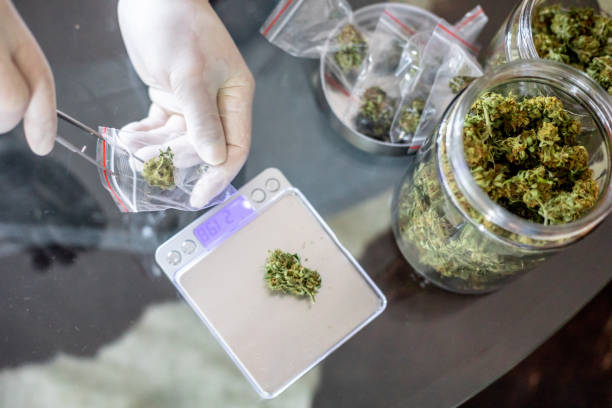
Benefits for Dispensaries
- Enhanced Product Credibility
Products backed by transparent lab results reassure customers about their safety and quality. - Regulatory Safeguards Staying ahead of compliance requirements reduces legal risks while ensuring uninterrupted operations.
- Customer Retention Since educated consumers increasingly demand transparency about what they consume, offering tested products helps build long-term relationships.
- Market Differentiation A commitment to rigorous testing reflects professionalism and positions dispensaries as reliable sources of premium-grade cannabis.
Challenges in Implementing Batch Testing
- Cost Implications: High-quality laboratory analyses can be expensive.
- Turnaround Times: Waiting on lab results may slow down time-to-market efforts.
- Standards Variability: Different jurisdictions may have inconsistent guidelines on required tests.
Dispensaries can overcome these challenges by partnering with trusted third-party labs equipped with advanced technology to deliver fast yet accurate results.
Rigorous batch testing remains indispensable for ensuring superior dispensary products while fostering trust within the cannabis ecosystem. By prioritizing detailed analysis at every stage—from cultivation to final packaging—dispensaries not only safeguard their reputation but also contribute positively toward shaping industry-wide best practices.
Addressing Contamination Risks and Improving Terpene Profiling in Dispensary Offerings
The cannabis industry has seen rapid growth in recent years, leading to increased competition among dispensaries. As consumers become more educated about cannabis products, ensuring safety and quality has become paramount. Addressing contamination risks and improving terpene profiling are two critical areas that dispensaries must focus on to deliver superior products and build trust with their clientele.
Understanding Contamination Risks in Cannabis Products
- Pesticides: Residues from agricultural practices can linger on the plant material if improperly treated.
- Mold and Mildew: High humidity levels during storage or improper curing can encourage fungal growth.
- Heavy Metals: Some cannabis plants may absorb heavy metals like lead, arsenic, or mercury from contaminated soil.
- Residual Solvents: Improper extraction methods may leave traces of harmful solvents such as butane or ethanol.
To mitigate these risks, dispensaries must adhere to stringent production standards and work with trusted suppliers who prioritize safety.
Strategies for Reducing Contamination Risks
- Regular Testing Protocols: Conduct third-party laboratory testing for pesticides, heavy metals, microbial contaminants, and residual solvents. Transparency in sharing results builds consumer trust.
- Supplier Audits: Partner with growers and manufacturers who follow Good Agricultural Practices (GAP) and Good Manufacturing Practices (GMP). Regular audits of supplier facilities ensure compliance.
- Maintain consistent temperature and humidity levels.
- Use airtight containers for long-term product preservation.
- Avoid cross-contamination by keeping batches separate.
- Employee Training: Educate staff on safe handling practices to prevent unintentional contamination during packaging or retail operations.
The Role of Terpene Profiling in Enhancing Product Quality
Terpenes are aromatic compounds found in cannabis that contribute not only to its flavor but also its therapeutic effects through the “entourage effect.” Consumers increasingly rely on terpene profiles when selecting products tailored to their desired experience—whether for relaxation, energy enhancement, or pain relief.
A detailed terpene profile helps dispensaries differentiate their offerings by providing transparency about the product’s unique qualities.
Techniques for Improving Terpene Profiling
- Utilize gas chromatography-mass spectrometry (GC-MS) for precise identification of terpene compounds.
- Pair testing results with cannabinoid profiles (e.g., THC/CBD ratios) for comprehensive data representation.
- Include terpene content percentages on product labels.
- Highlight key terpenes such as Myrcene (relaxing effect), Limonene (uplifting), or Pinene (focus-enhancing).
- Use low-heat extraction methods like CO2 extraction to retain delicate terpenes.
- Store flower products in UV-blocking containers to protect against terpene degradation caused by light exposure.
Benefits of Addressing These Issues Holistically
- Enhances consumer confidence
- Promotes brand loyalty
- Aligns with evolving market trends prioritizing safety and customization
A commitment to clean products combined with detailed chemical profiling demonstrates a higher standard of care—helping dispensaries thrive in an increasingly competitive marketplace.
Advancing the Dispensary Dumbo Experience Through Collaboration in the Cannabis Industry
Collaboration is becoming an essential cornerstone for the growth and credibility of the cannabis industry. In a sector that is rapidly evolving, building trust among stakeholders—including growers, manufacturers, retailers, regulators, and consumers—can pave the way for consistent quality standards and sustainable development. Establishing partnerships founded on transparency and mutual goals can benefit everyone involved. Below, we explore how collaboration drives progress in the cannabis industry.
Key Benefits of Industry Collaboration
- By partnering with trusted suppliers and cultivators, dispensaries can ensure access to high-quality cannabis products.
- Collaborative relationships allow for better control over cultivation practices, such as organic farming techniques or pesticide-free production.
- Shared expertise results in improved strain development and enhanced terpene profiles.
- Working together with regulators helps dispensaries stay ahead of changing compliance requirements.
- Industry consortiums can lobby for fairer regulations while addressing public health concerns collaboratively.
- Partnerships between cultivators, manufacturers, and distributors streamline supply chain processes while reducing bottlenecks.
- Dispensaries benefit from predictable inventory management and consistent product availability.
- Transparent partnerships allow brands to communicate their commitment to safety and quality more effectively to consumers.
- Collaborative marketing initiatives build positive brand associations across different touchpoints.
Practical Ways to Build Strong Partnerships
The cannabis industry thrives when businesses actively seek opportunities for joint ventures or partnerships that align with their strategic interests.
- Supplier Partnerships: Collaborate with growers who adhere to sustainable farming methods or are certified by third-party organizations like GMP (Good Manufacturing Practices).
- Research Collaborations: Work with academic institutions or private labs on research projects that advance cannabis science (e.g., studying cannabinoids or terpenes).
- Technology Integration: Partner with technology providers offering solutions for seed-to-sale tracking or consumer engagement tools like apps or loyalty programs.
- Training Alliances: Engage training firms that provide education on compliance protocols and customer service excellence for dispensary staff.
The Role of Transparency in Building Trust
| Key Area | Transparency Practices | Benefit |
| Product Sourcing | Disclosing cultivation sources & methods | Builds confidence in product origins |
| Testing Results | Sharing batch test data openly | Ensures safety & aligns with consumer demand |
| Pricing Models | Clearly explaining pricing structures | Enhances consumer satisfaction |
| Sustainability | Highlighting eco-conscious initiatives (e.g., biodegradable packaging) | Attracts environmentally conscious consumers |
When companies are upfront about their practices—whether regarding sourcing methods or testing procedures—they foster greater trust with customers and partners alike.
Case Study: Collaborative Success Stories
- Vertically Integrated Operations – Businesses owning every step of their supply chain often collaborate internally among teams specializing in cultivation, processing, distribution, marketing, etc., ensuring consistent product quality across stages.
- Cannabis Co-Branding – Partnerships between established brands have introduced unique product lines that leverage each partner’s strengths (e.g., premium edibles featuring well-known chocolate brands).
By looking beyond competition toward cooperative strategies like these examples demonstrate transformative potential within an emerging yet fragmented marketplace.
Effective collaboration fosters growth-driven innovation while ensuring accountability across stakeholders—an essential ingredient where breakthroughs occur responsibly without sacrificing consumer confidence in dispensary services/products being offered ultimately transforming perceptions long-term positively.
- Ensuring Safe Consumption of Cannabis and CBD Edibles at a Dispensary Dumbo
- Essential Tips for Your First Visit to a Marijuana Dispensary Dumbo
- Stay Updated on Dispensary Dumbo News and Cannabis Policies
- Caroline Pharma Your Trusted Dispensary in Dumbo for High-Quality Cannabis Products
- Elevating Standards: Exploring the Cannabis Dispensary Dumbo, NY Experience
- 5 cannabis marketing trends redefining the cannabis dispensary Dumbo, NY industry
- A Beginner’s Guide to Ordering from a Cannabis Dispensary in Dumbo, NY
- Beginner’s Guide to Cannabis Dosage: Tips from a Cannabis Dispensary in Dumbo, NY
- The Ultimate Guide for First-Time Visitors to a Cannabis Dispensary in Dumbo, NY